

Custom optics for endoscopes
The optics decide what the sensor ever gets to see. We design and make objectives, relay systems, prisms, filters and couplers to the specification your system needs — not selected from a catalogue.
Most of the image is decided before the sensor
A camera module can only work with the light the optics hand it. Field of view, resolution at the tissue plane, fluorescence separation and the way colour renders all trace back to decisions made in glass. That is why we treat optics as a design discipline rather than a purchasing line, and why most custom projects start here.
Optical work we do in-house
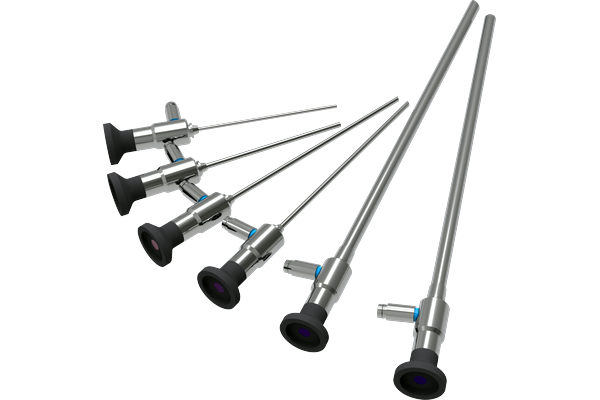
Objectives and relay systems
Objective, relay and eyepiece designs for rigid and semi-rigid endoscopes, worked out against the diameter, working length and field of view your procedure sets. Most of what limits image quality in a slim design is decided here.
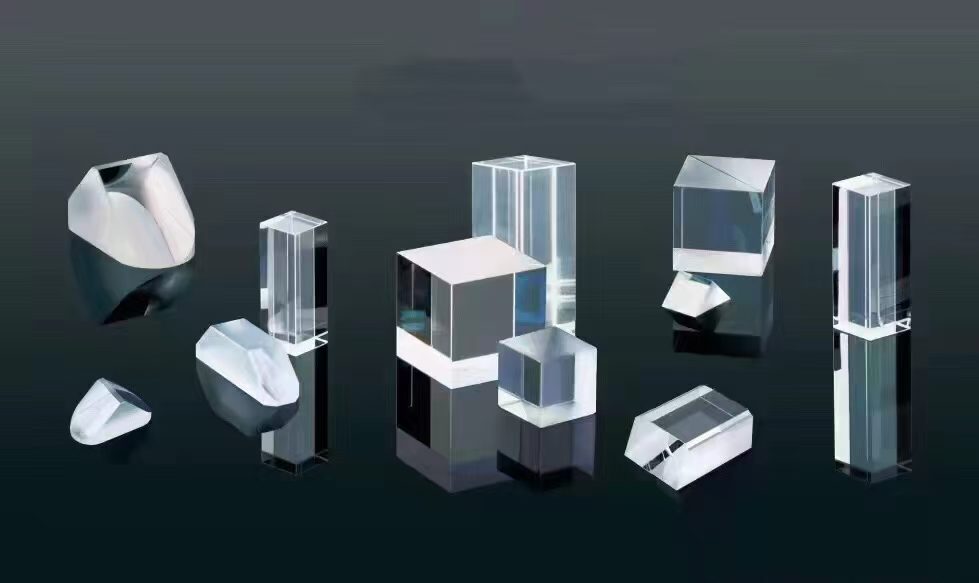
Prisms, filters and coatings
Beam-turning prisms, narrow-band and dichroic filters, and the coatings that separate white light from near-infrared excitation. Coating performance is specified against your imaging chain, not against a generic datasheet.
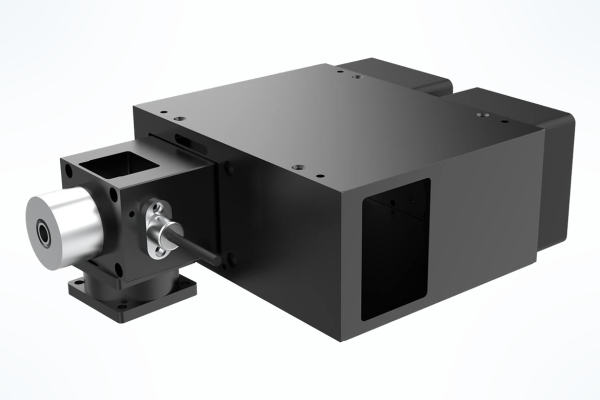
Couplers and mechanical integration
Fixed-focus and zoom couplers that adapt an endoscope to a camera head, with the mechanical interface, sealing and reprocessing constraints designed in from the start rather than patched on later.
Fluorescence optical paths
Excitation and emission paths for ICG and other near-infrared dyes, matched to the sensor and the filter set so the fluorescence signal stays separated from the white-light image across production units.
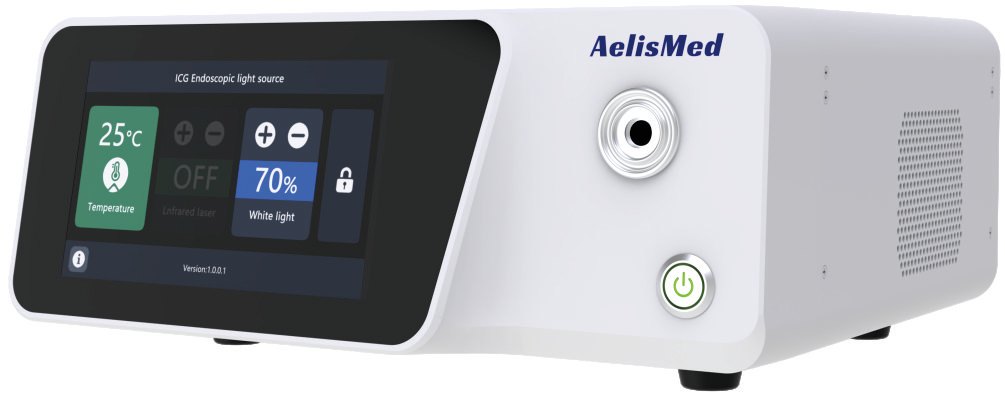
Illumination and fibre coupling
Light engines and the optics that couple them into fibre: wavelength selection, even output across the field, and thermal behaviour that stays stable through a long procedure.
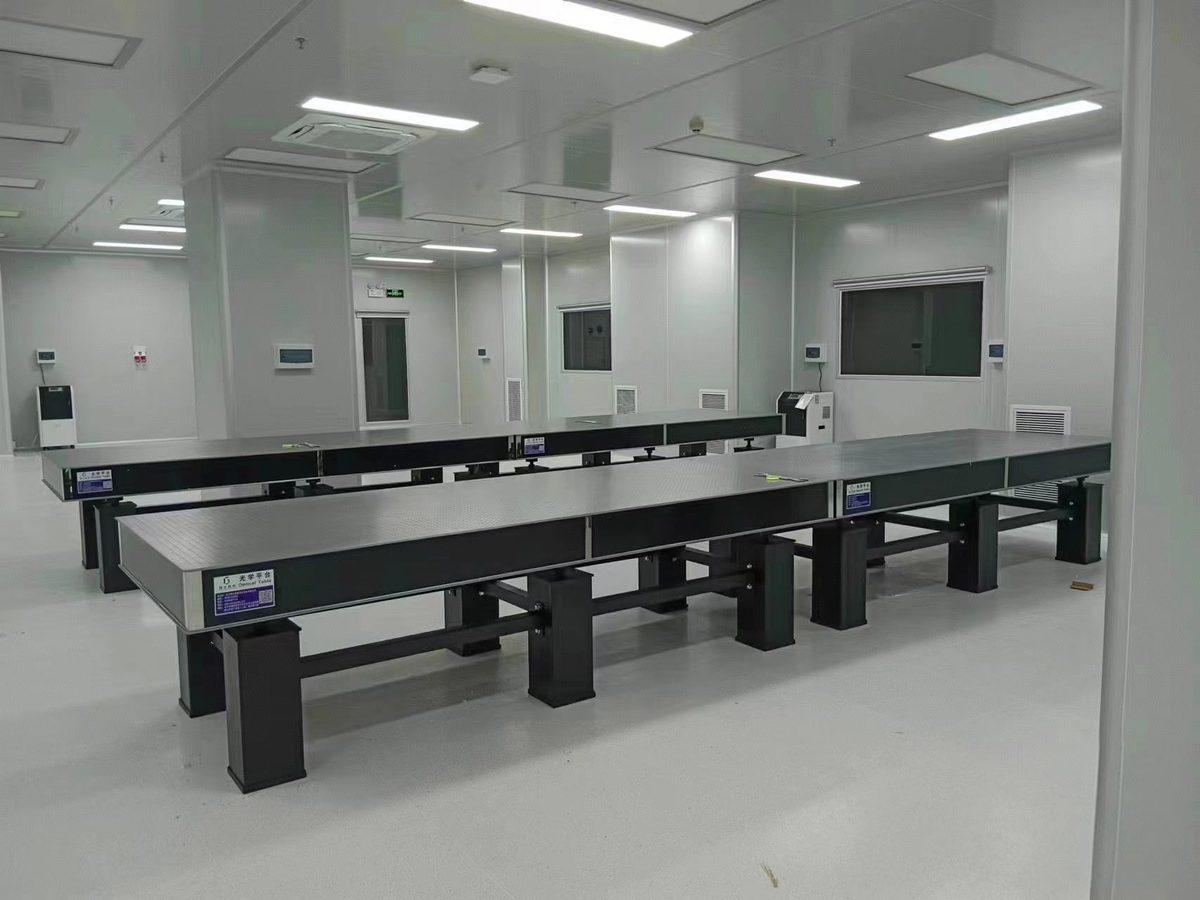
Alignment, assembly and test
Optical assemblies are aligned and measured on our own benches before they leave — centration, resolution and transmission are checked against the design, and the results travel with the parts.
What we need from you
- Application — procedure, target anatomy, and whether the scope is rigid, semi-rigid or flexible
- Envelope — diameter, working length and the camera interface the optics have to fit
- Image requirements — field of view, resolution target, working distance range, white light, fluorescence or both
- Volumes and timeline — prototype quantities first, and the production volume you are building towards
You do not need an optical specification to start a conversation. A drawing of the space the optics have to live in and an honest description of the image you need is enough for a first assessment.
From requirement to production
Scope
We turn the application into optical requirements and agree what success looks like before any design work starts.
Design and tolerancing
The optical design and its tolerances are worked out together, so the design we sign off is one we can actually build.
Prototype
First units are assembled and measured. You get the parts and the numbers, including where they fall short.
Verification
Alignment, resolution and transmission are documented against the agreed requirements, and the design is frozen.
Pilot build
A small production run under production conditions, to shake out what a lab bench never shows.
Volume production
Parts ship with inspection records, and the process holds from unit one to unit five hundred.
Every step happens in-house or with suppliers who have worked with us for years. Nothing critical is outsourced sight unseen.
Made and measured in-house
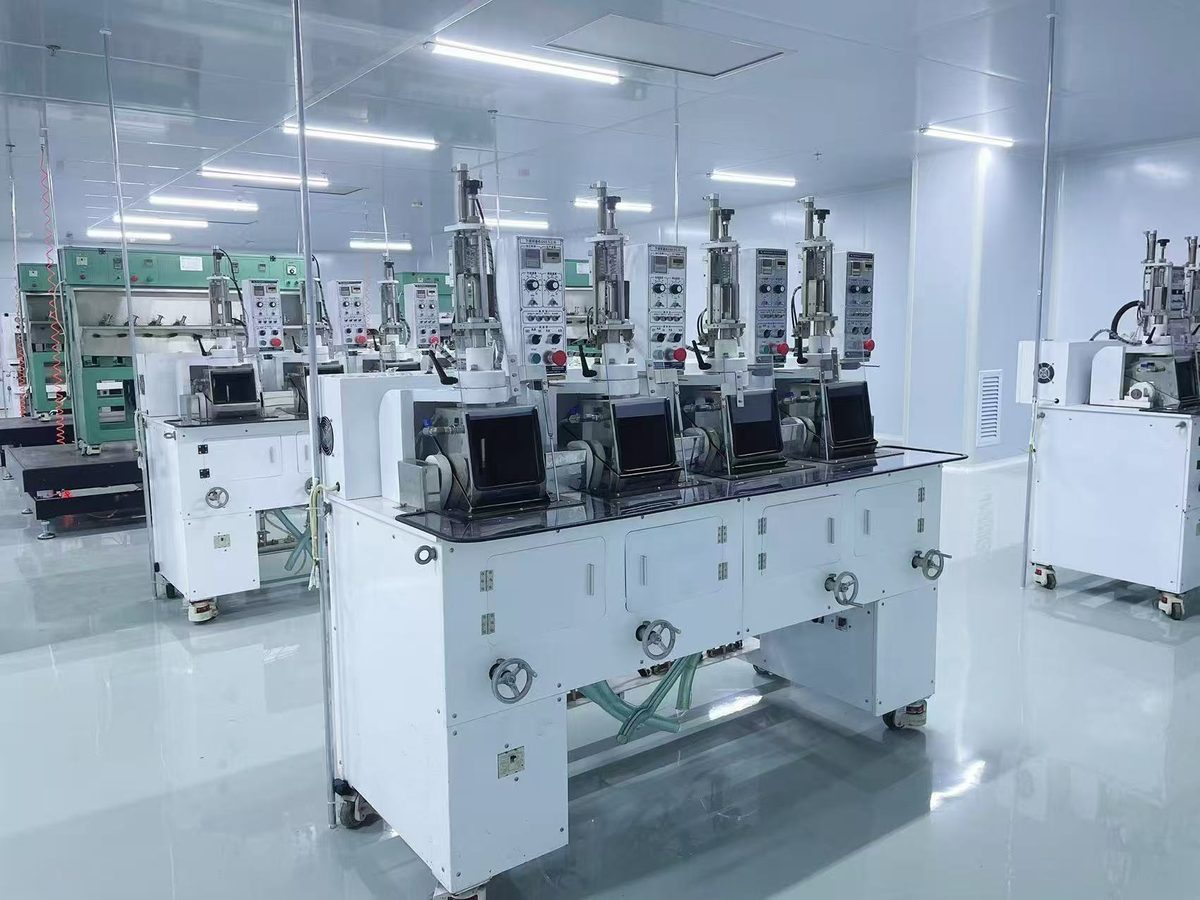
The optics are designed by the same company that assembles and tests them, which keeps the feedback loop short. Precision optical assembly runs in a cleanroom environment, and measurement happens on dedicated optical benches rather than being handed to a third party.
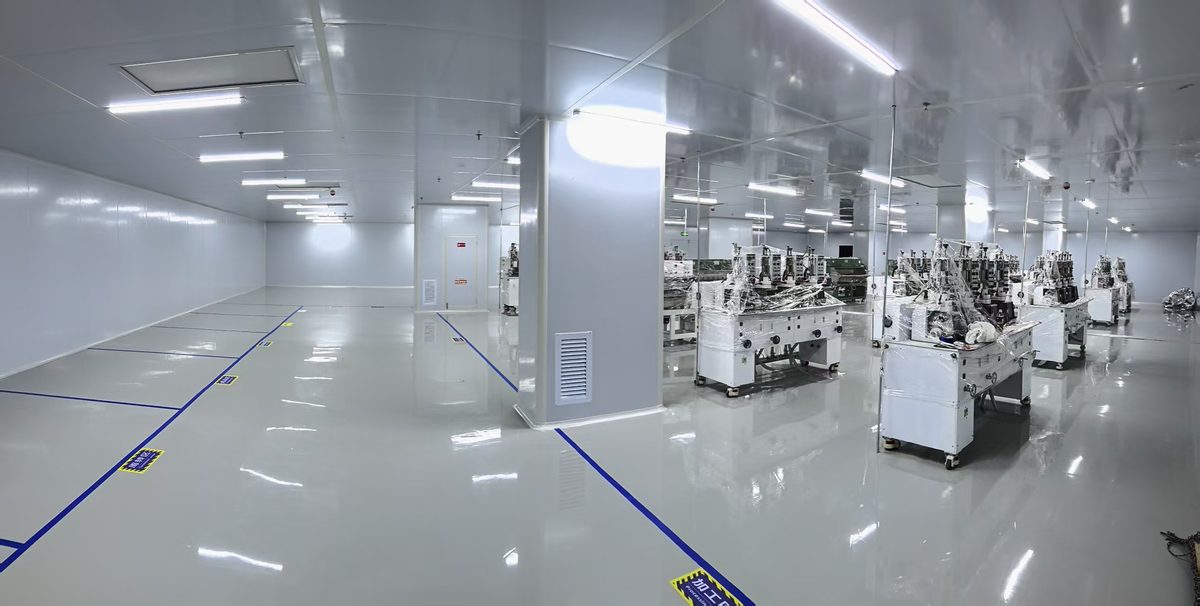
Cleanroom assembly
Optical and optomechanical assemblies are built in a controlled environment, by the same team that will build your production units.
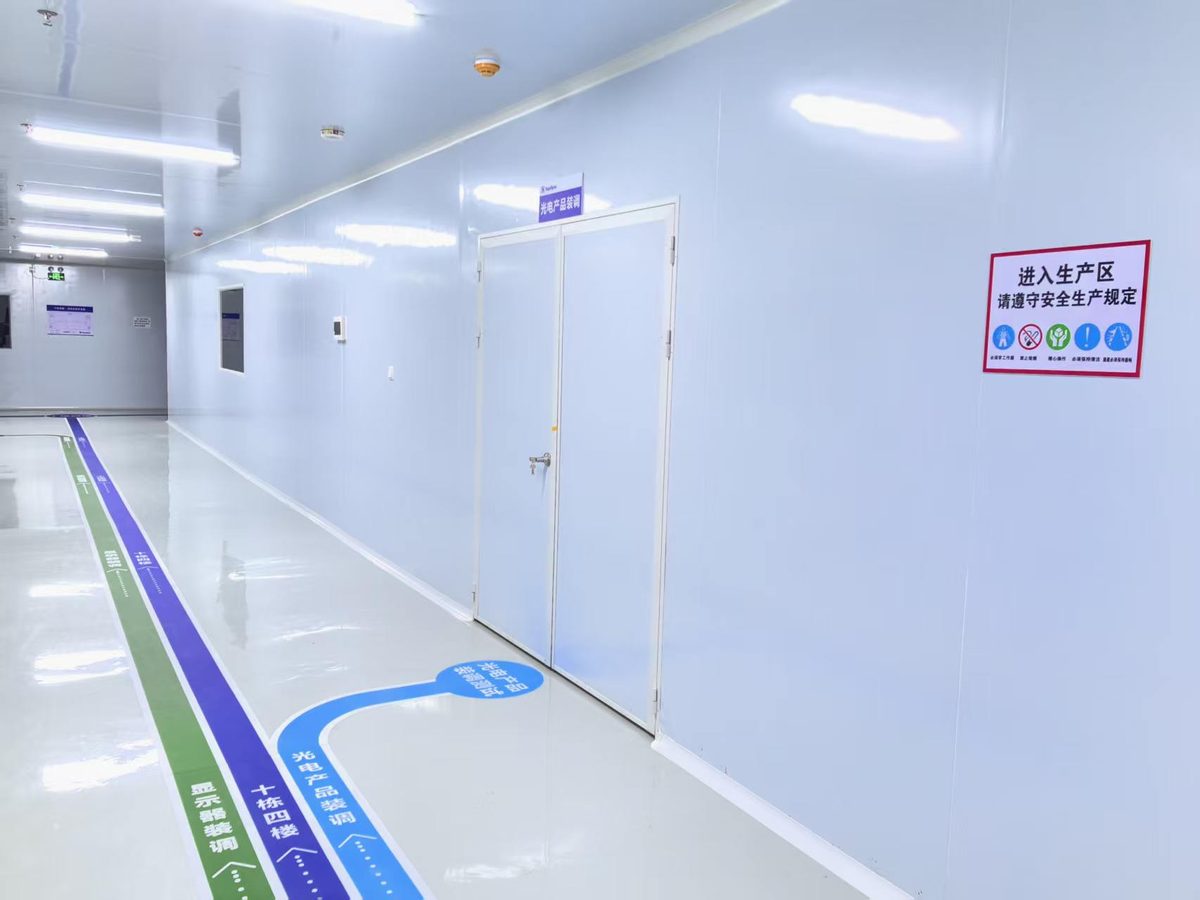
Optoelectronic production floor
Optics sit next to imaging board and module production, so a change on one side of the imaging chain is accounted for on the other the same week.
Deliverables that fit a regulatory file
- Design package — optical drawings, tolerance tables and the design rationale behind them
- Test documentation — measurement results for every prototype and production batch
- Traceability — inspection records that travel with each unit, ready to support your technical file
- Supply — production units on the schedule you set, measured the same way every time
How a custom project runs end to end, from imaging boards to a finished system, is set out on the OEM & ODM Solutions page.
Tell us what the optics have to do
Send us the diameter, the working length and the image you are trying to get, or just describe the procedure. Under a signed non-disclosure agreement we will assess it and tell you honestly what is possible.
ADD:Room 212-213, Building A2, Peihong Mansion, No.1 Kehui Road,Yuehai Street, Nanshan District, Shenzhen, China
E-mail: